Health and Safety Policy for Carpet Cleaners W1S
 This health and safety policy sets out the standards followed by carpet cleaners W1S when carrying out professional cleaning services. The purpose of this policy is to protect staff, clients, visitors, and property by reducing avoidable risks and promoting safe working practices at every stage of a carpet cleaning job. In all cases, the business aims to work with care, competence, and responsibility.
As a provider of carpet cleaning in W1S, we recognise that safe operations depend on planning, training, and consistent supervision. Cleaning activities may involve water, electrical equipment, detergents, lifting, moving furniture, and working in occupied premises. These hazards are managed through assessed procedures, suitable equipment, and clear communication among workers.
 All employees and contractors must follow this policy when delivering carpet cleaning services. Every job should begin with a basic risk assessment to identify slips, trip hazards, fragile items, restricted access, ventilation needs, and any potential exposure to cleaning agents. Where necessary, work is paused until conditions are made safe.
Our approach to professional carpet cleaners W1S work includes selecting equipment that is maintained, inspected, and appropriate for the task. Cables, hoses, extraction units, and accessories must be checked before use. Damaged equipment must be removed from service immediately. Only trained personnel may use machines or chemicals authorised for the job.
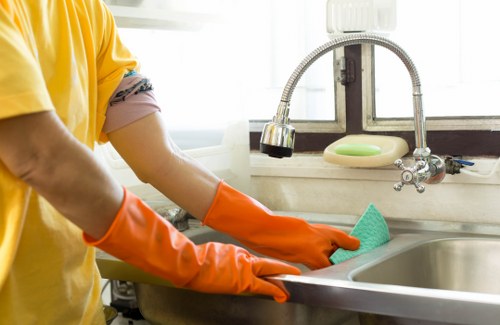
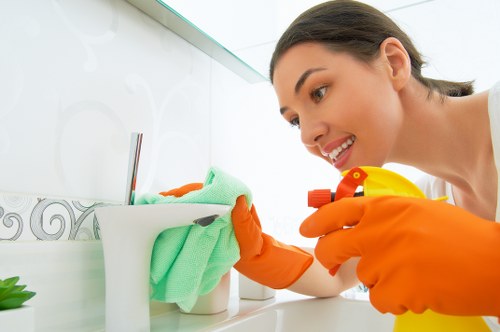
Personal protective equipment is used whenever needed. This may include gloves, protective footwear, eye protection, or other items depending on the task and the products involved. Workers are expected to wear suitable clothing that allows safe movement and reduces the chance of contamination or injury.
The safe handling of chemicals is a key part of this policy. Detergents, stain removers, and spotting agents must be stored securely and used exactly as instructed. Mixing products is prohibited unless specifically approved. Staff must understand safety labels, be aware of possible skin or eye irritation, and take care to avoid inhalation of sprays or vapours.
 Slip prevention is especially important during carpet cleaning operations. Floors can become wet, and hoses or equipment may obstruct walkways. Warning signs, cord management, and controlled working areas help reduce the likelihood of accidents. Cleaned areas should be left as dry as practical, and access should be restricted until surfaces are safe.
Manual handling also requires attention. Moving portable equipment, lifting accessories, and shifting light furniture can cause strain or injury if done incorrectly. Workers should assess the weight and shape of objects before moving them, use correct posture, and ask for assistance when items are awkward, heavy, or unstable. Unnecessary lifting should be avoided.
Ventilation and air quality are monitored during the process. Some cleaning products release odours or aerosols, and enclosed spaces may retain moisture. Where possible, windows or doors should be opened to encourage airflow. This helps create a safer environment for both workers and occupants, while also supporting effective drying.
Training is essential for maintaining a reliable carpet cleaner health and safety policy. Staff receive instruction on equipment use, chemical awareness, emergency procedures, and safe customer-site behaviour. Refresher training is provided when processes change, new equipment is introduced, or improvements are identified during internal reviews.
Injuries, incidents, and near misses must be reported promptly. Recording these events helps identify patterns and prevent repetition. If a spill, cut, electrical fault, or other unsafe condition occurs, work should stop until the issue has been assessed and resolved. Any incident involving a member of the public must be handled with particular care.
Fire safety and electrical safety are treated as ongoing priorities. Machines must be connected to suitable supplies and never used with visibly damaged leads or plugs. Water must be kept away from electrical components wherever possible. In the event of an emergency, staff must follow the established procedure, leave the area if necessary, and ensure that others are alerted.
 Our W1S carpet cleaning safety standards also support hygiene and environmental responsibility. Waste water, used cloths, and disposable materials should be handled carefully and disposed of in line with local requirements and site rules. Products should be used efficiently to avoid unnecessary waste and limit exposure to harmful substances.
Occupational health matters include fatigue, stress, and repeated physical effort. Supervisors are expected to schedule work realistically so that staff can complete tasks safely and with proper attention. Workers should not be pressured to rush, especially where drying times, access issues, or delicate surfaces create additional risk.
Health and safety responsibilities are shared across the business. Managers must provide safe systems of work, suitable resources, and supervision. Workers must follow instructions, use equipment properly, and raise concerns when something appears unsafe. Clients and occupiers may also be asked to cooperate by clearing access routes or advising of any known hazards.
 This carpet cleaning health policy is reviewed regularly to ensure it remains effective, practical, and up to date. Updates may be made after incidents, equipment changes, new training needs, or changes in working methods. By maintaining high standards, carpet cleaners W1S can deliver professional results while protecting people, property, and wellbeing.
Commitment to safety is central to every service. Through careful preparation, competent execution, and ongoing review, the business aims to reduce risk and maintain a safe working environment on every job.